

Suicide Prevention Awareness Month 2026: What the Latest Data Says, and What Families in the San Gabriel Valley Can Do
If you or someone you know is struggling, call or text 988 to reach the 988 Suicide & Crisis Lifeline, free and confidential, 24 hours a day. You can also text “NAMI” to 62640 to reach the NAMI HelpLine.
September is Suicide Prevention Awareness Month. The most recent national data shows 48,824 people died by suicide in the United States in 2024, and suicide remains the second leading cause of death among young people ages 10 to 24. The data also shows something else: prevention works. Crisis services, early treatment, and honest conversation change outcomes. This post covers the current numbers, what they mean for families in the San Gabriel Valley, and how to start a conversation with a young person you care about.
Why September matters
Each September, the National Alliance on Mental Illness (NAMI) recognizes Suicide Prevention Month as a time to raise awareness, spread hope, and spark action. September 10 is World Suicide Prevention Day.
The month exists because silence is still the default response to suicide. Awareness campaigns work when they replace that silence with two things people can actually use: accurate information and a phone number.
What the current national data shows
The most recent federal figures give a mixed but clarifying picture.
- Suicide was responsible for 48,824 deaths in the United States in 2024, according to the Centers for Disease Control and Prevention..
- The 2024 suicide rate was 13.7 per 100,000 people, a 2% decrease from 2023 and a 4% decrease from 2022, though the rate remains 32% higher than in 2000 (American Foundation for Suicide Prevention).
- In 2024, an estimated 14.3 million adults seriously thought about suicide, 4.6 million made a plan, and 2.2 million attempted suicide (CDC).
- More than 1 in 20 U.S. adults (5.5%) have serious thoughts of suicide each year, and suicide was the 10th leading cause of death overall in the U.S. in 2024 (NAMI, Mental Health By the Numbers).
Two figures from NAMI are worth sitting with, because they point directly at what prevention requires. 46% of people who die by suicide had a diagnosed mental health condition, but 90% may have experienced symptoms of one. The gap between those numbers is the space where earlier care can make a difference
The picture for young people
This is the part that matters most for the children, teens, and young adults Maryvale serves.
- Suicide was the second leading cause of death among people ages 10 to 14 and among people ages 15 to 24 in the U.S. in 2024 (NAMI).
- 20% of U.S. high school students had serious thoughts of suicide in 2023, and 40% experienced persistent feelings of sadness or hopelessness (NAMI, citing the CDC Youth Risk Behavior Survey).
- More than 1 in 7 U.S. youth ages 6 to 17 experience a mental health disorder each year, and about half of those young people receive treatment (NAMI).
- 50% of all lifetime mental illness begins by age 14, and 75% by age 24 (NAMI).
- The average delay between the onset of mental illness symptoms and treatment is 11 years (NAMI).
Read together, these numbers make a single argument. Most mental health conditions begin in childhood or adolescence, most young people show symptoms long before a crisis, and the average family waits more than a decade to get care. Closing that delay is the work.
What the data looks like closer to home
California and Los Angeles County track this closely.
Fewer deaths and a treatment rate near 33% describe the same reality: progress is real, and access is still the bottleneck. That is a solvable problem, and it is the one community organizations are built for.
Prevention works, and there is evidence
The strongest recent finding in this field is about the crisis line itself.
The 988 Suicide & Crisis Lifeline has received 23.3 million contacts since its launch in July 2022, and demand as of March 2026 was 15% higher than a year earlier (KFF). More significantly: a recent study found that from July 2022 through December 2024, suicide deaths among people ages 15 to 34 were 11% lower than projected based on pre-988 trends, representing 4,372 lives (The Pew Charitable Trusts).
A three-digit number, answered by a trained counselor, is associated with thousands of young people still here. That is what prevention infrastructure looks like when it is funded and staffed.
How to start the conversation
Talking about suicide does not plant the idea. As NAMI puts it, asking someone how they are really doing, and being ready to truly listen, can be the turning point. If you are worried about a young person:
- Ask directly and calmly. Vague check-ins invite vague answers. A specific question (“Are you having thoughts of suicide?”) gives permission to answer honestly.
- Listen without rushing to fix it. The goal of the first conversation is connection, not a solution.
- Know the warning signs. NAMI’s guide to warning signs and risk factors covers what to watch for in young people.
- Stay involved after the conversation. Follow-up contact in the days and weeks afterward matters.
- Connect them to care. Call or text 988 in a crisis. For ongoing support, reach a provider or a community mental health program.
For parents and caregivers who want a deeper resource, NAMI’s What You Need to Know About Youth Suicide and the NAMI HelpLine are good starting points.
How Maryvale supports young people’s mental health
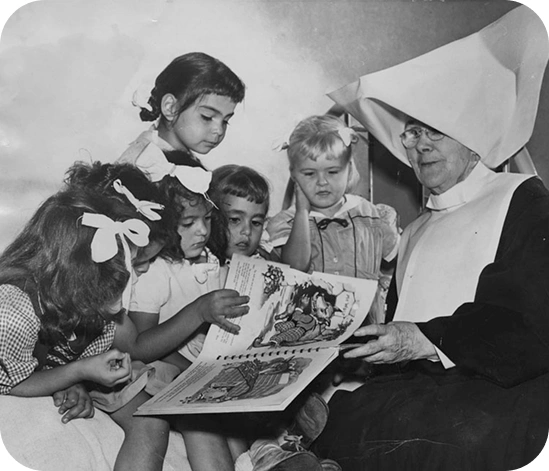
Maryvale has served children and families in the San Gabriel Valley since 1856. Behavioral health is one of the ways that work continues today.
Behavioral health support. Maryvale provides behavioral health support that meets children, youth, and families where they are. Families can contact Maryvale directly to learn what is available.
Project Youth Wellness supports the mental and emotional well-being of young people across the San Gabriel Valley, including an 8-week online Prevention and Education Group for teens ages 12 to 17, offered in partnership with Azusa Pacific University. To learn more or to enroll today, visit our Connections by Maryvale Page
In fiscal year 2025-26, Maryvale’s mental health services reached 286 clients, 100% of whom showed improved functioning at discharge, and 99% reported being very satisfied with their care
How you can help this September
- Learn the warning signs. Spend 10 minutes with NAMI’s youth suicide resources.
- Save 988 in your phone, and in your child’s phone.
- Share this post with one parent, teacher, or coach who works with young people.
- Support the work. Gifts to Maryvale help fund behavioral health services for families across the San Gabriel Valley. Consider making a donation today
Frequently asked questions
When is Suicide Prevention Awareness Month?
Suicide Prevention Awareness Month is observed every September in the United States. September 10 is World Suicide Prevention Day.
What is the current suicide rate in the United States?
The suicide rate in 2024 was 13.7 per 100,000 people, down 2% from 2023. There were 48,824 suicide deaths in 2024.
Is suicide a leading cause of death for young people?
Yes. Suicide was the second leading cause of death among people ages 10 to 14 and among people ages 15 to 24 in the U.S. in 2024, according to NAMI.
What number do I call for a mental health crisis?
Call or text 988 to reach the 988 Suicide & Crisis Lifeline, available 24 hours a day, free and confidential. You can also chat at 988lifeline.org.
Does talking about suicide make it more likely?
No. Research and organizations including NAMI are clear that direct, caring conversation reduces risk rather than increasing it. Asking someone whether they are thinking about suicide gives them a way to say yes.
Where can families in the San Gabriel Valley find mental health support for a teen?
Maryvale offers behavioral health services for children, youth, and families, including Project Youth Wellness. Contact Maryvale directly, visit our mental heath services page or call or text 988 in a crisis.
NAMI’s Find Your Local NAMI tool connects families to local affiliates and support groups.
Resources
- 988 Suicide & Crisis Lifeline: call or text 988, 24/7
- NAMI HelpLine: 800-950-6264, or text “NAMI” to 62640
- NAMI: What You Need to Know About Youth Suicide
- NAMI: Mental Health By the Numbers
- NAMI: Suicide Prevention Month
- CDC: Suicide Data and Statistics
- SAMHSA: Suicide Prevention Month toolkit
- LA County Office of Violence Prevention: local data
- Teen Line (California): 800-852-8336, or text TEEN to 839863